
Behavior Change
Research overview
If you’re like most people, your health depends more on what you do every day than on what your health care provider can do for you. Nonetheless, making healthy lifestyle choices can be difficult, especially when it means changing your daily routine and then maintaining these changes over time. That’s why scientists with Kaiser Permanente Washington Health Research Institute (KPWHRI) are working to make the right choices the easy and sustainable ones.
Research suggests that approximately one-third of all deaths in the Unites States are related to 4 behavioral risk factors: physical inactivity, poor nutrition, tobacco use, and excessive alcohol use. But other behaviors are also critical to health and well-being, such as not misusing prescription opioids or marijuana, getting routine cancer screenings, and following your providers’ medical advice.
Historically, KPWHRI's research has tested different forms of behavioral counseling or novel ways to deliver this counseling. Increasingly, we are now testing digital therapeutic interventions delivered via smartphone app or text — for example, to help people set and achieve their health goals. People like the convenience of digital interventions, but it remains to be seen how effective they are and for whom they work best. Our research is helping to answer these important questions.
KPWHRI’s behavioral medicine research includes:
- Reducing unhealthy use or abuse of substances such as tobacco, alcohol, cannabis, and opioids
- Promoting physical activity, healthy eating, and weight loss
- Improving oral health care
- Increasing treatment adherence and routine cancer screening
- Improving chronic pain management
- Creating personalized, convenient, effective behavioral interventions that can be delivered using various digital technologies
Recent Publications on Behavior Change
Lynch BM, Nguyen NH, Moore MM, Reeves MM, Rosenberg DE, Boyle T, Vallance JK, Milton S, Friedenreich CM, English DR A randomized controlled trial of a wearable technology-based intervention for increasing moderate to vigorous physical activity and reducing sedentary behavior in breast cancer survivors: The ACTIVATE Trial 2019 Aug 15;125(16):2846-2855. doi: 10.1002/cncr.32143. Epub 2019-04-23. PubMed
Lynch BM, Nguyen NH, Moore MM, Reeves MM, Rosenberg DE, Boyle T, Milton S, Friedenreich CM, Vallance JK, English DR Maintenance of physical activity and sedentary behavior change, and physical activity and sedentary behavior change after an abridged intervention: Secondary outcomes from the ACTIVATE Trial 2019 Aug 15;125(16):2856-2860. doi: 10.1002/cncr.32142. Epub 2019-04-23. PubMed
Bradley KA, Caldeiro RM, Hallgren KA, Kivlahan DR Making measurement-based care for addictions a reality in primary care 2019 Aug;114(8):1355-1356. doi: 10.1111/add.14605. Epub 2019-04-29. PubMed
Rubinsky AD, Chavez LJ, Berger D, Lapham GT, Hawkins EJ, Williams EC, Bradley KA Utility of routine alcohol screening for monitoring changes in alcohol consumption 2019 Aug;201:155-160. doi: 10.1016/j.drugalcdep.2019.03.010. Epub 2019-05-08. PubMed
Chavez LJ, Bradley KA, Lapham GT, Wickizer TM, Chisolm DJ Identifying Problematic Substance Use in a National Sample of Adolescents Using Frequency Questions 2019 Jul;32(4):550-558. doi: 10.3122/jabfm.2019.04.180284. PubMed
Researchers in Behavior Change
 Melissa L. Anderson, MSPrincipal Collaborative Biostatistician |
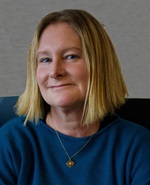 Julie Angerhofer, PhD, MPHAssociate Investigator |
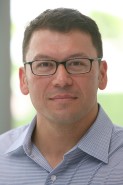 Ben Balderson, PhDSenior Collaborative Scientist |
 Paula R. Blasi, MPHSenior Collaborative Scientist |
 Katharine A. Bradley, MD, MPHSenior Investigator |
 Beverly B. Green, MD, MPHSenior Investigator |
 Mikael Anne Greenwood-Hickman, MPHSenior Collaborative Scientist |
 Chloe Krakauer, PhDCollaborative Biostatistician |
 Gwen Lapham, PhD, MPH, MSWAssociate Investigator |
 Paula Lozano, MD, MPHSenior Investigator; Director, ACT Center |
 James D. Ralston, MD, MPHSenior Investigator |
 Dori E. Rosenberg, PhD, MPHSenior Investigator |
 Pamela A. Shaw, PhD, MSSenior Biostatistics Investigator |
 Kelsey Stefanik-Guizlo, MPHCollaborative Scientist |
Affiliate researchers
Sheryl L. Catz, PhD
Professor, Health Care Innovation and Technology, Betty Irene Moore School of Nursing
University of California–Davis
Sue McCurry, PhD
University of Washington (UW) Department of Psychosocial and Community Health
Emily Williams, PhD, MPH
UW Department of Health Services; VA Health Services Research & Development Center of Excellence

Research

Digital tool could help people change smoking habits
A mobile application designed to engage smokers who are ambivalent about quitting shows promising results.
News

Toolkit offers guidance for people with persistent pain
The new comprehensive resource was written from the perspective of patients experiencing ongoing pain.
Research

Relieving chronic pain with CBT
Cognitive behavioral therapy with yoga-based movement helps with pain for those on long-term opioids.
Healthy Findings Blog

We decreased people’s daily sedentary time by an hour
Changing behavior isn’t easy, but Dr. Dori Rosenberg helped older people to stand and walk more.
healthy findings blog

Should we consider vaping to be friend or foe?
Dr. Jennifer McClure discusses the rise in deaths and injuries associated with vaping and what you should know about this risk.
innovating care

Asking patients about cannabis may benefit overall health
Drs. Lapham and Bradley find frequency of cannabis use can be tied to other behavioral health patterns and needs.
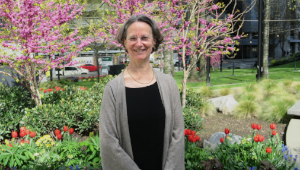
What motivates Dr. Kathy Bradley to study prevention of alcohol use disorders?
With a passion for primary care and teaching, she aims to make high quality patient-centered care for substance use issues part of mainstream medical practice
opioids

Patient-doctor trust withstands opioid risk reduction
Risk-reduction initiative for chronic opioid therapy sustains patient-doctor trust, Dr. Karen Sherman finds.
behavior change

Patient-centered care for alcohol use disorders
Sharing CHOICE trial results, KPWHRI takes next steps to advance research on alcohol-related care at Kaiser Permanente Washington and beyond.
Healthy Aging

Stand up for your health!
Researcher Dori Rosenberg shares the importance of being less sedentary — and tips for sitting less.



Land Acknowledgment
Our Seattle offices sit on the occupied land of the Duwamish and by the shared waters of the Coast Salish people, who have been here thousands of years and remain. Learn about practicing land acknowledgment.